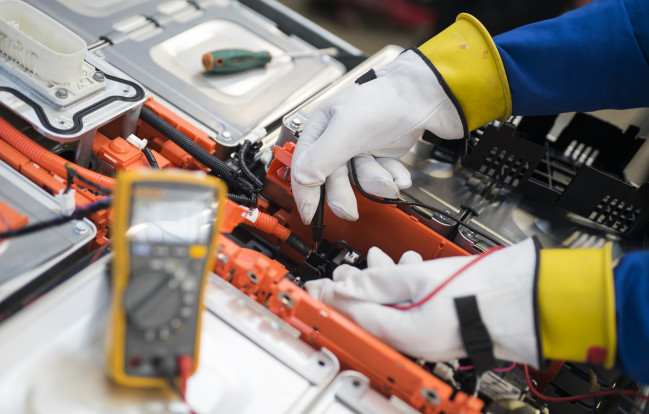


Power steering is an important system of your car. It is the system that aids in steering the vehicle allowing the driver to exert a minimum amount of effort to drive. Along with the power steering, there is a single belt that powers all of your car’s auxiliary systems, it is the power steering belt.
The power steering belt also drives the vehicle’s air conditioning (A/C) system, the alternator, and pump. This continuous loop of power transfer makes the belt one of the most hardworking parts (including the sets of pulley it drives) of your vehicle. Imagine the job that this belt is doing in your car, it really deserves a special treatment.
Vehicles produced before the late 1990s had multiple belts, with each one driving a single element. Today, most of the cars are driven by only a single belt, the power steering belt (also called serpentine belt) controlling all the systems in your car.
During the course of its use, the belt becomes more prone to wear, and worst, breakage. You can avoid this to happen while you are in the middle of your driving to town. In this article, we will show you how to replace a power steering belt and know exactly when to replace it.
Quick Navigation
What will happen if the belt is worn out or suddenly breaks?
Additionally, when the belt is defective, steering will become too difficult and heavy.
What you will need
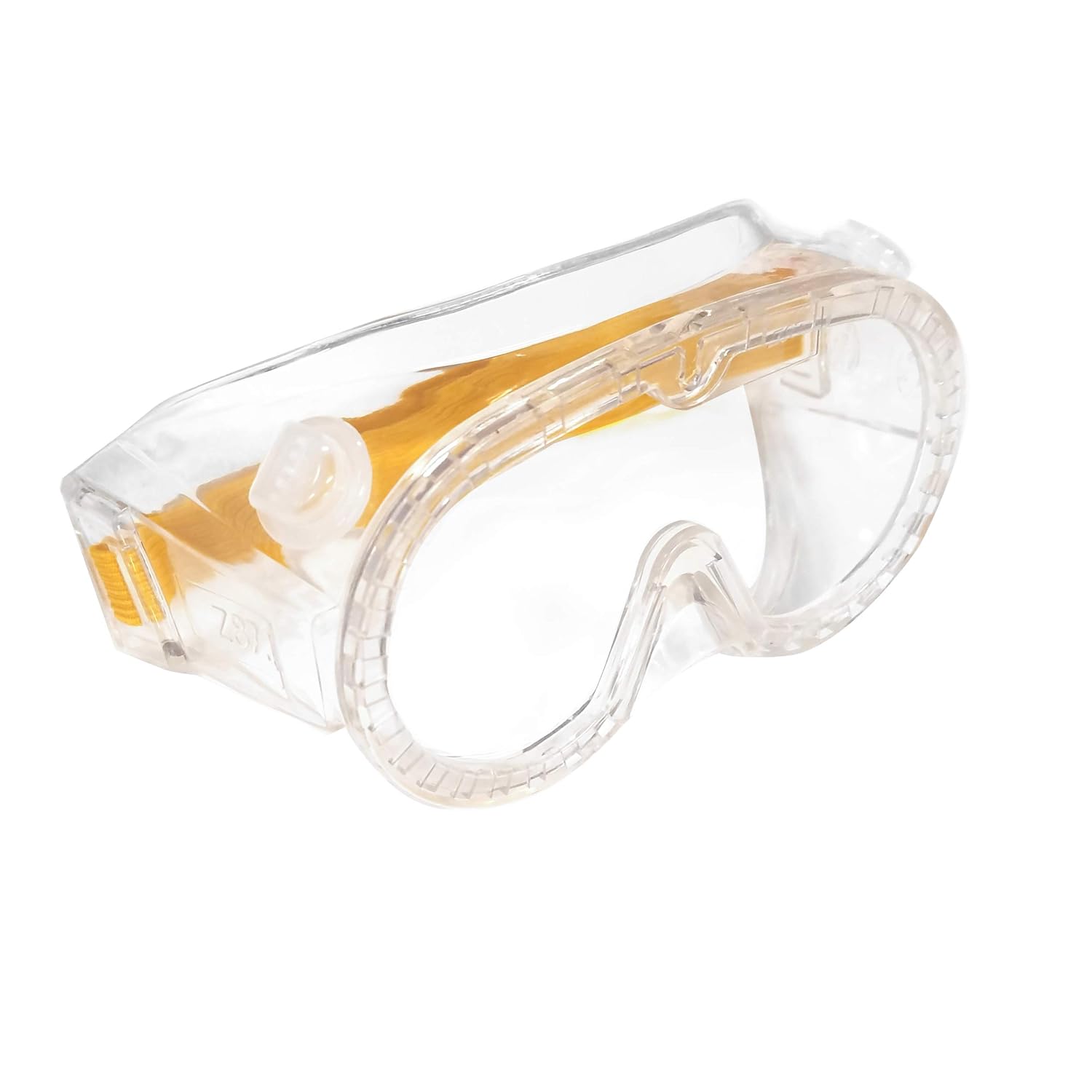
Before you work on the replacement of the power steering belt, be sure that you wear the necessary protective gears, like safety glasses and gloves.

Via: pelicanparts.com
Here’s what you will do
1. Stall your car with jack/ hydraulic lift
Using your jack or hydraulic lift, raise your car high enough to let your both hands with adequate space for the job below the bumper. Before you commence, disconnect the positive and negative terminals of your battery. This will make you safer from possible electric shock while working on your car.
2. Pull out the lower engine cover
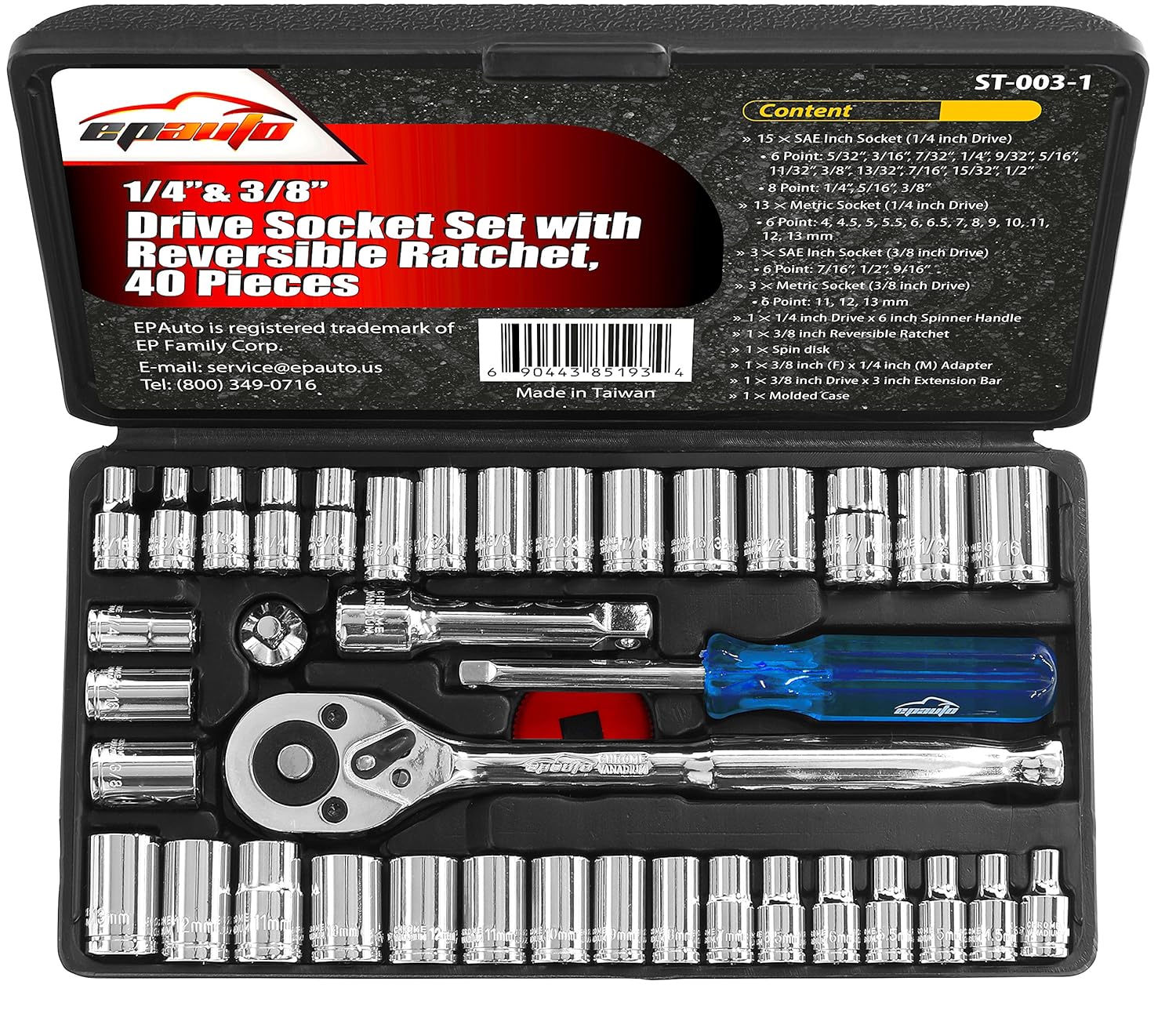
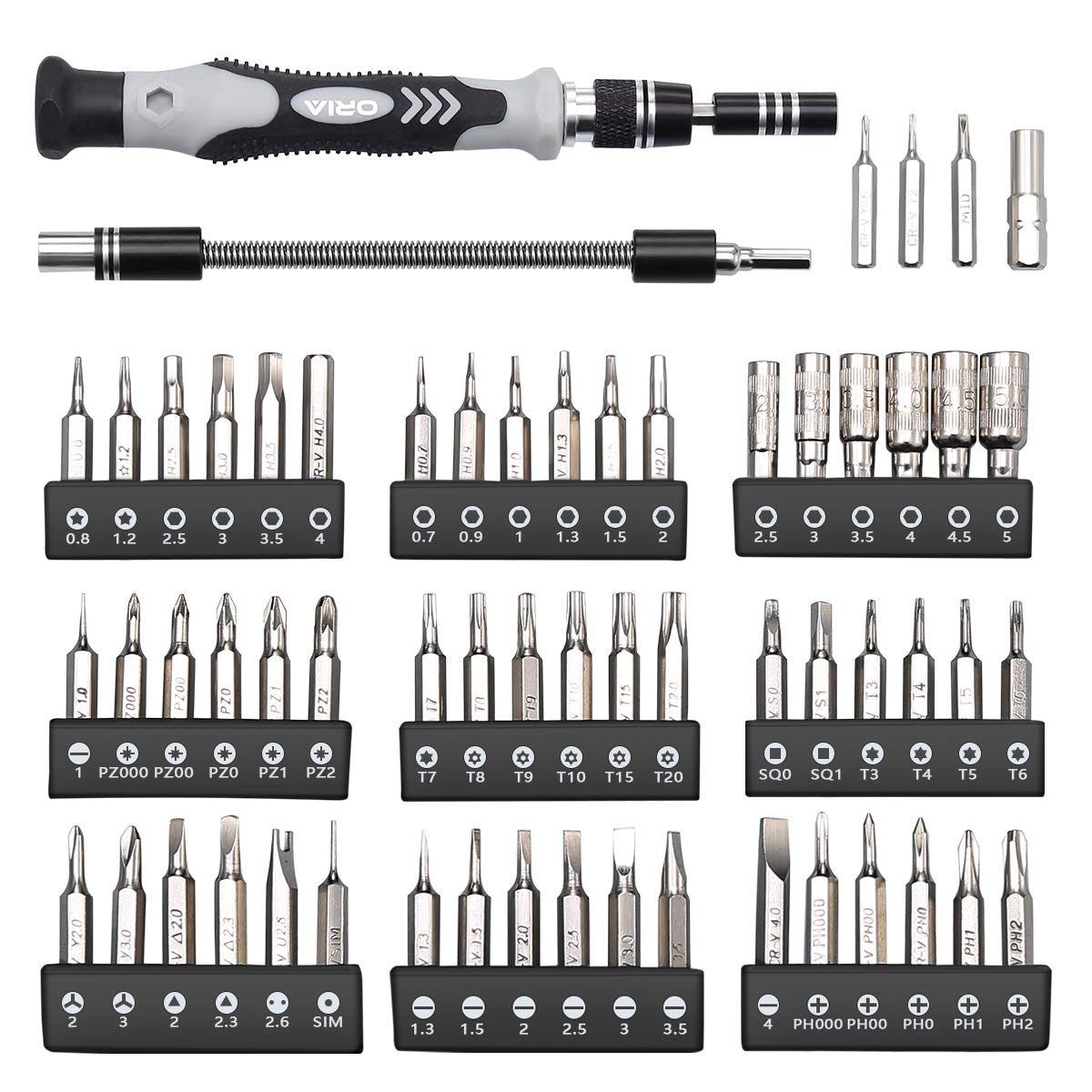
Remove the undercarriage cover of your car using either a socket wrench or a screwdriver. Other car models may have different screw heads, be prepare to have different types of screwdrivers on hand. After removing the cover, place it out of your way.
3. Know if your alternator belt needs to be removed first
Most cars have the alternator belt located in front of the power steering belt. This is the usual arrangements among 4-cylinder engines. If this should be the case, consult the car’s manual and follow the instructions in disconnecting the belt from the alternator.
However, in many car models, it is only necessary to remove the belt from the alternator and not the alternator itself to have easy access from the power steering belt.
4. Look for the power steering pump
You can locate this device on the passenger or driver side of the car’s engine compartment, in most recent car models. While in other vehicle models that have V-style engines (6 to 8 cylinders), their pump could be found in front of the engine.
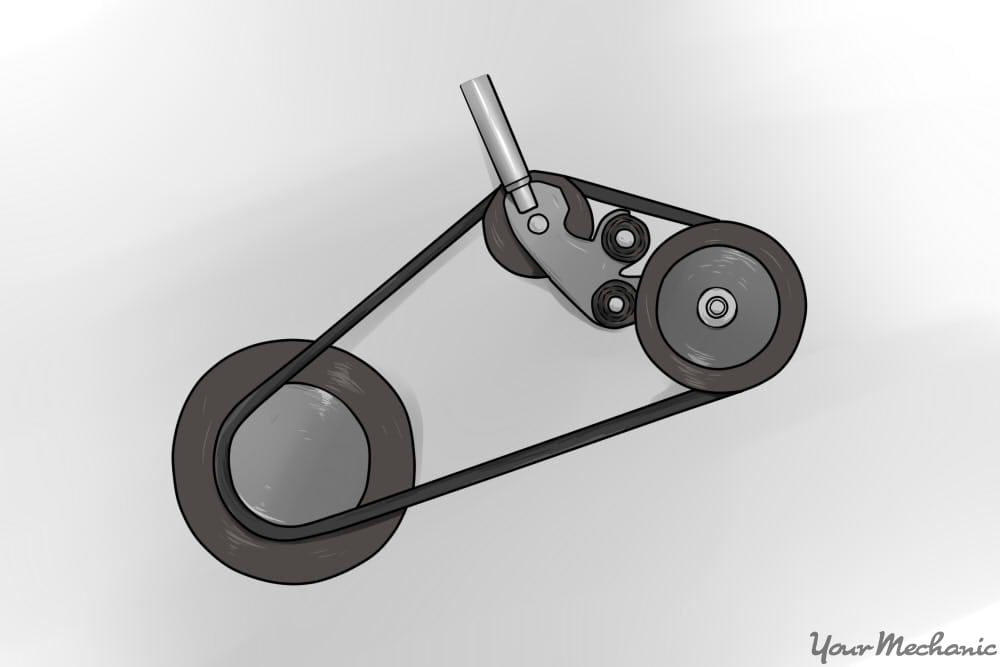
Via: yourmechanic.com
5. Look for the tension adjuster pulley
Locate the tensioner pulley and spray it bolts with penetrating oil (top and bottom bolts) to loosen up the rust adhering to them. Let the penetrating oil soaks for about 4-5 minutes before you loosen up these bolts. Spraying the bolts with penetrating oil is necessary because they collect rust and dust over time and are susceptible to corrosion.
6. Loosen up the bolts of tension adjuster pulley
Using a box wrench or ratchet wrench, loosen the top bolt first, then the bottom bolt of the tension adjuster pulley. Let the bolts stay where they are. You only need to move the pulley back and forth to remove the power steering belt with your hands.
7.Loosen up the bolts of the power steering pump
After you have found the pump, loosen up its bolts the same way you did with the tensioner pulley. Make sure that the bolts just lose and not removed.
8.Relax the tension from the pump
You can take out the belt from the pump by using a pry bar. Apply a little bit of pressure while using the pry bar onto the belt of the pump. This way, you can slide the belt out of the pulley of the pump.
9.Take out the old belt
When the belt slides out of the groove of the pulley, you can now take out the power steering belt that needs to be replaced.
10.Install the new belt
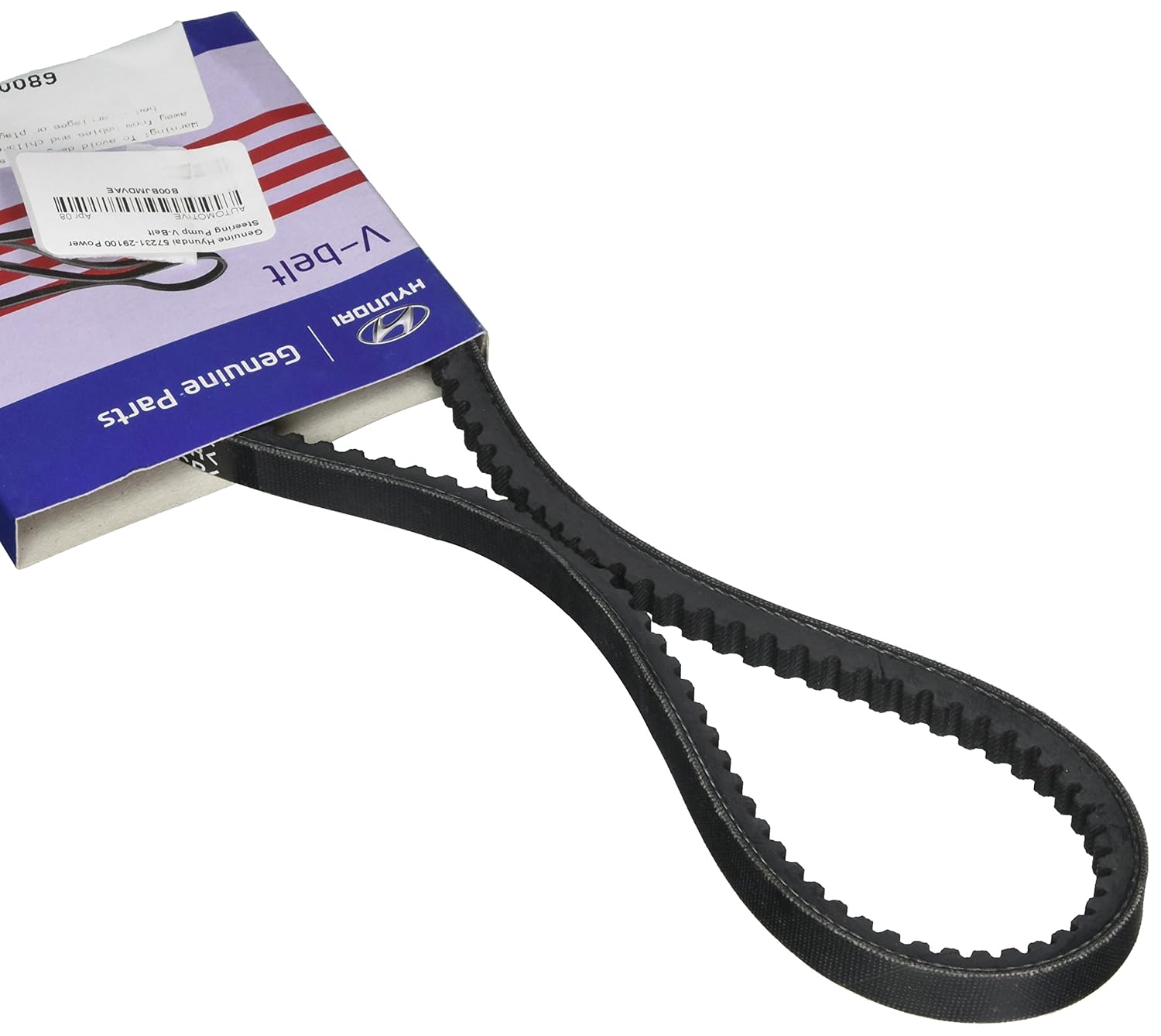
Slide the new belt with its teeth side down on the pulleys (tensioner pulley, crankshaft pulley, and the power steering pump pulley). The installation of the new belt will only be the reverse of how you took out the old one.
Related post:
How to Replace a Crankshaft Rear Main Seal Without the Hassle
6 Overwhelming Reasons Why Your Car Squeal When You Turn the Steering Wheel
11.Tighten bolts on power steering pump
Again, reversing what you did in loosening up the bolts earlier on the pump, tighten them now in the opposite manner.
12.Tighten bolts on tensioner pulley
Do the same with what you did earlier (loosening up) on this part of the tensioner pulley, only in a reverse fashion (tighten up). Please take note that you would start with tightening the bottom bolt first, then the top.
13.Test the belt’s tension
Using your hand on top of the newly installed belt, spin the belt forward and back to test its operation. The belt should spin smoothly through the pulleys.

Test the belt’s tension
14.Install all that you have removed earlier
If everything seems okay, you can now install the undercarriage cover on the front of the car that you have removed earlier. Release the hydraulic jack and put it in your trunk. Reconnect the battery terminals and clean your workplace of any debris that was left behind.
15.Test drive your car
Start your car’s engine and listen to the sound that the newly installed belt makes. If it has a squealing sound, shut-off the engine and adjusts the belt, it might be loose. You only have to adjust the tensioner pulley.
Do this until you hear a smooth sound coming from the belt. You have now successfully replaced a defective power steering belt.
Pro tips
- The Kano Kroil Penetrating Oil and the Gasoila Free All Rust Eater are both available on Amazon. These penetrating oil brands are the favorite to use by mechanics across the US because of their high penetrating power.
- Every car owner should have a ready hydraulic jack for use during emergencies like this one. One of the most commonly used by expert mechanics and car owners alike is the Torin Big Red Hydraulic Trolley Floor Jack with Carrying Case, 2-Ton capacity, available on Amazon.
- If you experienced these symptoms frequently, you might need to change the brand of your belt. Try these all-time favorites from expert mechanics and satisfied car owners: Genuine Chrysler 4892444AA Power Steering Belt or the Power Steering Pump Belt Bando 4PK1070, your luck might also change when you use these heavy-duty belts.
Related post:
What is the Best Jack Stands to Buy
Top 10 best power steering belts reviewed
Why is A/C Pressure Too High? Find Causes and Solutions
Top 7 Best Diesel Fuel Additives That are Surprisingly Inexpensive
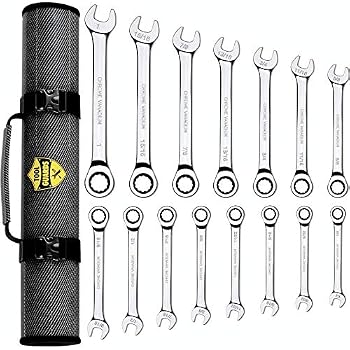
List of tools used



Conclusion
Did you enjoy this tutorial? Just remember that if the power steering belt snaps due to wear and tear, your car will completely stop to steer leading to a life-threatening condition. Additionally, failure to replace the power steering belt when it is worn out or have signs of wear and tear during regular maintenance could result in its breakdown.
Send to us what you think about this article and share this with your friends and loved ones so that they will be always safe on the road.