

Hearing more unusual sounds coming from your car is enough reason to be alarmed. Like a whining noise when you are accelerating, this could be an indication of a minor trouble or a bigger problem waiting to happen. Better still, it is safer to treat every noise (whether you know it’s a standard or normal sound) as a big deal to keep you away from severe problems in the future and spare you from expensive repairs or worst, a threat to life and properties.
What shall you do when you hear these annoying sounds? Professionals and expert mechanics have much advice here for the causes and possible action against these abnormal sounds that emanate from your car. We will discuss here more about them, especially the whining noise you hear when you are accelerating. But first, know something about other noises from your car.
What other sounds mean
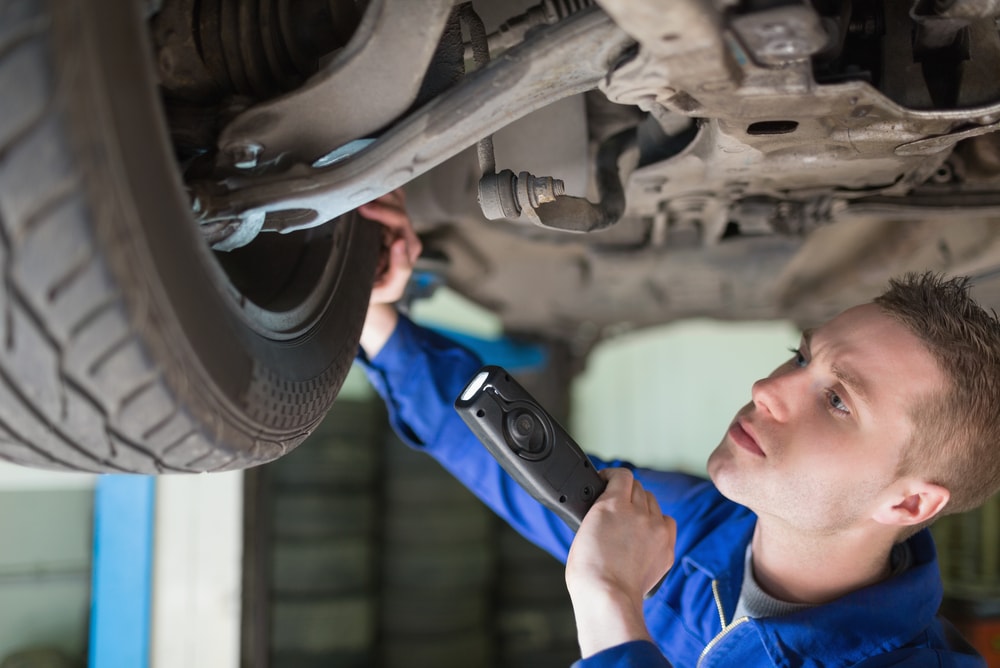
Before we go to the whining noise, let’s discuss further some of the unusual sounds that you hear (or you may hear in the future) from your car that also need deeper investigation and quick response. If you haven’t experienced these unfamiliar sounds before, it is the best time to know them in anticipation for their occurrence so you will know what to do.
When you hear these strange noises from your car, experts suggest that you locate their origin (is it from the front or back of the car, something to this effect) and identify the sound. Here are some of those common sounds (in addition to our previous article about grinding noise ) attributed to the noises your car make in specified locations on the vehicle.
- At the bottom of the vehicle
- Clanking noise
This may entail problem on the exhaust system beneath the vehicle. What the mechanic will do is examine every single piece of the tailpipe up to the front and check whether if all the clamps are well-secured.
- Squealing sound
This noise is subjective of a problem in the braking system and the wheels. The brake pads may require replacement. Check this out immediately.
- Clunking sound
At this juncture, your suspension system might be at risk. The suspension system is primarily made up of many moving parts, like joints, and bushings, that might be worn out. Let your mechanic check this out.
- Below the hood
- Metallic tap sound
The possible cause of this noise is low engine oil levels or a problem with the engine’s timing. A calibration might be needed or refilling of motor oil.
- Screeching sound
If you hear this noise intermittently, it is a strong indication that your serpentine belt is worn out. Check the belt and replace if needed.
- Hissing noise
If you hear this sound, check under your hood the numerous hoses attached to different systems. The most likely origin of this sound is a squirting coolant due to leak in the hose. Let your mechanic check them out and replace the hose if needed, also add some coolant.
Common causes of whining sound
Here are some of the various causes of whining noise you hear from your car when you are accelerating and the best action to take:
1. Problem on power steering
When the loudest whining sound you hear happens during high-speed cruising and when you turn, the most likely culprit is the belt that drives the steering wheel pump’s pulley. Tighten the belt if it is loose or replace it if it is already worn.
You might have a low power steering fluid level if the belt is alright. Check your fluid level at its reservoir (it has a dipstick) located near the pump and add some fluid if needed.
Related post:
How to Unlock A Steering Wheel in 3 Easy Methods
How to Replace a Power Steering Belt in Quick and Easy Steps
Quick Steps on How to Remove and Replace a Power Steering Pump Pulley
2. Low engine oil
Low engine oil levels are sometimes at fault when you hear a loud whining sound especially when you are at high speed. Check out the level of the motor oil by pulling out the dipstick on the engine oil tank near the brake fluid reservoir. The level should be between the “add” and “full” indicators on the dipstick.
If the level is below the “add” indicator, you should fill the same engine oil on the tank until you reach the right level. Don’t ignore this early warning sign, it may cost you severe damage on the engine if not attended as soon as possible.
Check out these engine oil brands for diesel engines for outstanding performance.
Related post:
How to Choose the Best Diesel Engine Oil: A Buyer’s Guide for the Market
What are the Best Oil Filter Brands?
How long does it take to get your oil changed (We can do it in under an hour)?
What Causes High Oil Pressure (What You Should Do to Fix the Problem?)
Conclusion
Listen to what your car is telling you by way of different sounds and noises, especially the whining noise it emits when you are accelerating. These sounds seem your car’s “cry” to tell you that there really is something wrong in your system or systems.
Send us your comments if you have any. We will try our best to answer all of your queries regarding car noises and their effects. Also, please share this article with others if you liked it.